Using Consumer Class Actions as a Tool for Reducing Toxic Chemicals in our Environment
9:00am – 10:00am
The goal of this discussion is to provide a brief introduction to class action lawsuits, followed by an overview of common household contaminants, including benzene in aerosol products, lead in chocolate, and PFAS in foods and consumer merchandise. Afterward, we’ll discuss how our firm has been using false advertising and consumer protection laws to reduce individual exposures to harmful substances. Next, we’ll provide real-world examples and recent success stories to explain how class-wide settlements can drive positive change and encourage manufacturers to take control over their supply chains. Finally, we’ll end the presentation by discussing some of the pitfalls and shortcomings of class action lawsuits, why federal regulations often fall short of their promises, and why more accountability is necessary to bring about lasting changes.
Speakers
Alex Honeycutt

Alex Honeycutt is an associate attorney at Milberg practicing in the Knoxville office. Alex graduated from the University of Tennessee College of Law in 2021 where she concentrated in Business Transactions, served as the President of ELO, directed the 11th Annual APIEL conference, and competed on the National Environmental Moot Court team. Alex joined Milberg in August of 2020, juggling her fully remote 3L schedule alongside her duties as a law clerk working on the Kingston Coal Ash case. As a Milberg attorney, Alex continued to provide important support to the Kingston litigation, eventually transitioning to Milberg’s class action team full-time in fall of 2021.Since that time, she has filed several product liability cases pertaining to benzene contamination in aerosol antiperspirants, sunscreens, and dry shampoos. Alex’s other product liability cases relate to products contaminated with PFAS, misbranded protein powders, and misbranded eyeshadows. She joined the firm’s data privacy group in early 2022, and her primary focus has been developing new case ideas based on emerging technology, healthcare providers’ illegal use of tracking tools on their websites and patient portals, and wiretapping violations.
Mark Silvey

Mark E. Silvey is a Partner at Milberg taking the role of lead attorney and primary litigator in many of the firm’s complex litigation cases. During his thirty-four years of practice, he served as lead counsel in more than 100 jury trials, 75 bench trials, and numerous appellate cases in virtually all types of civil practice areas in federal and state courts.
A native of Knoxville, Tennessee, Mr. Silvey grew up in the Halls community, with family ties going back several generations. He received a bachelor’s degree in History from the University of Tennessee in 1984 with a concentration in Medieval Japan, the Holy Roman Empire, and the 19th and Early 20th Century United States. Mr. Silvey also received his law degree from the University of Tennessee where, as a member of the National Trial Team, he received recognition as an Outstanding Clinic Student.
After graduation, Mr. Silvey worked at Wilson, Worley, Gamble & Ward, PC in Kingsport, Tennessee, representing hospital, railroad, industrial, and medical clients, among many others. Mark founded the Knoxville-based law firm of Bosch, Silvey & Lusk, PC in 1991. He handled all types of litigation for the firm, including domestic relations, personal injury, business, real estate, and federal criminal matters. Mr. Silvey relocated to Atlanta in 1997 to serve as an in-house attorney for State Farm Mutual Automobile Insurance Company and Travelers Indemnity Company. In 2006, he returned to Knoxville to open a new in-house office for Travelers. In 2010, Mark returned to private practice at Greg Coleman Law, handling class action and other complex litigation.
Mr. Silvey’s interests include the traditional Japanese martial arts of kendo and aikido, military history and technology, international travel, and photography. A percussionist since age nine with wide-ranging experience, he currently acts as the legal advisor to TheMarchingRoundtable.com and Marching Arts Education.
The Native American Graves Protection and Repatriation Act of 1990: Successes and Challenges
10:10am – 11:10am
This panel will explore the law itself and then provide examples in which NAGPRA has been implemented throughout the Southeast, and particularly how, over the last five years, increased communication and collaboration has helped aid the repatriation process. It will also touch on complications with implementation and the effects of amended regulations.
Speakers
Dr. Ellen Lofaro
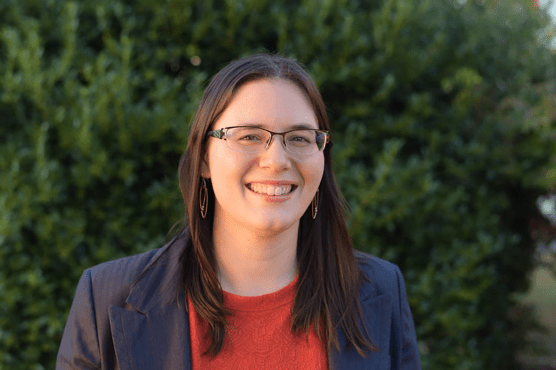
As the Director of Repatriation for the University of Tennessee, Knoxville, Dr. Lofaro manages and coordinates national and international repatriation efforts. With a focus on the Native American Graves Protection and Repatriation Act (NAGPRA), she actively consults, collaborates and partners with Native American Tribes to repatriate all Native American ancestral remains and cultural items. Dr. Lofaro is also involved in the ongoing development of university policies and procedures regarding repatriation, research, and collections care, and is working to integrate collaborative community research and traditional care requests into university standards.
Megan Kleeschulte

Megan received her Bachelor of Art’s Degree from Monmouth University with minors in Archaeology, History, and Geographic Information Systems. She completed her Master’s degree in Anthropology at the University of Tennessee, Knoxville in 2018. Her research examined the implementation of the Native American Graves Protection and Repatriation Act (NAGPRA) in Medicolegal System. Megan works as the Graduate Research Assistant for, Dr. Ellen Lofaro, the Department’s Curator, assisting on NAGPRA claims and inventories, and is a volunteer for the Forensic Anthropology Center. Her current research continues to explore issues relating to the implementation of NAGPRA as well as working with the medicolegal system to promote NAGPRA education and training. More broadly her research interests include DDHR, law, human identification, mass disaster victim identification, human rights, forensic anthropology, GIS applications.
Fighting TVA’s Fossil Fuel Buildout and the Implications of the Endangered Species Act and the Clean Water Act – The Cumberland Campaign Story
10:10am – 11:10am
Since May 2022, Appalachian Voices has been actively engaging in community organizing to fight TVA’s proposed gas replacement for the Cumberland City Fossil Plant. Since 1973, this coal plant – the largest and dirtiest in the TVA coal fleet – has been polluting local communities. Now, TVA wants to replace one of the two coal-burning units with an onsite methane gas plant and 32-mile pipeline, swapping one fossil fuel for another. The pipeline would cross through Dickson, Houston and Stewart Counties in Tennessee, where, according to Tennessee’s Department of Environment and Conservation, there are threatened and endangered species of plants and animals. Some of these include the golden eagle, little blue heron, gray bat, Indiana bat, Price’s potato bean, the hellbender and the alligator snapping turtle. The Cumberland pipeline would also cross 155 streams and seven wetlands. These crossings include tributaries of the Harpeth River, a National Wild and Scenic River that is a major source of water for the Nashville, Tennessee area, and a karst limestone terrain, which is highly erodible and contains many cracks and fissures. Additionally, a new species of crayfish was recently discovered in one of the streams proposed to be crossed using open-cut trenching methods by the pipeline. Overall, the pipeline presents threats to drinking water, recreation, and aquatic life in the region.
Appalachian Voices is challenging the Tennessee Valley Authority for their decision to replace the Cumberland City plant with another fossil fuel and challenging the Tennessee Department of Environment and Conservation for their issuance of the Section 401 and Aquatic Resource Alteration Permit.
In May 2023, TVA revealed plans to partially replace the second coal-burning unit with another gas plant located in Cheatham County, requiring another 12-mile pipeline. These newly announced plans for Cheatham are still in the beginning stages and not a lot of information is available yet. Much of the work so far has involved deep organizing along the proposed route of the three-county pipeline, called the “Cumberland Pipeline Project.” It would be constructed by the gas giant, Kinder Morgan, to supply fuel to the onsite methane-powered plant. Details about the additional 12-mile pipeline in Cheatham County have not yet been released by TVA, but Appalachian Voices has already been connecting with locals and organizing in Cheatham County as well. Appalachian Voices is providing ongoing support to community members in all the impacted counties and landowners along the identified pipeline route. In Tennessee’s Dickson County, where the majority of the 32-mile pipeline would be constructed, we are working closely with residents who have formed a group opposing the pipeline called the Cumberland Preservation Group (CPG).
Speaker – Angie Mummaw

Angie was raised overlooking the Cumberland River in north-central Tennessee, and still resides on her family farm from which you can see the Cumberland City smokestacks. Her love of nature began as a child raising farm animals and crops and playing in the woods. This love of the outdoors grew into a life-long passion. Angie most recently taught Biology at Austin Peay State University for 10 years. She currently represents Appalachian Voices in Tennessee as community organizer, supporting the community members affected by the Cumberland City plant closure. She also advocates for TVA to make sustainable, long-lasting changes that are better for the environment, economy and health of the people.
Ethical Considerations for Environmental Lawyers & Other Practitioners
11:20am – 12:20pm
This session will explore (1) effects of changes in the new codes of professional conduct, adopted or soon to be adopted by the various jurisdictions, on the practice of environmental law; (2) attorney and non-attorney competence in the environmental field; (3) conflict of interest problems in corporate and governmental situations and in cases involving multiple representation; and, (4) attorney and non-attorney disclosure of client’s wrongdoing.
Speaker – Dr. Joe Jarret
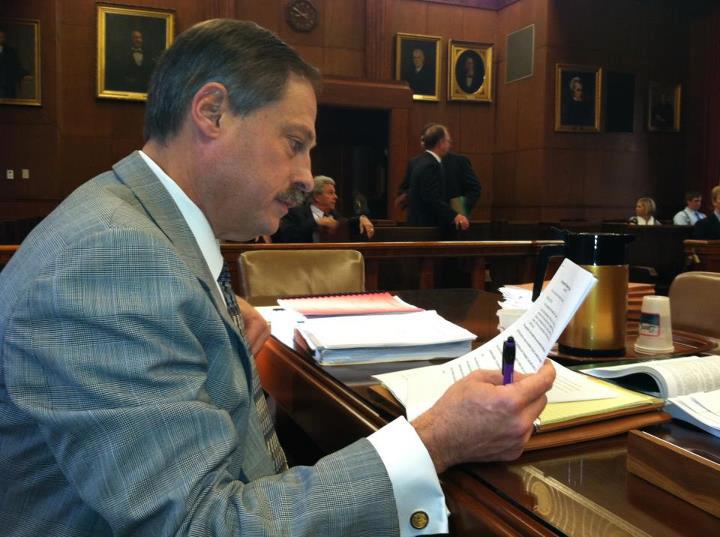
Joe Jarret is an attorney and a federal and state mediator who has been practicing environmental law for over 29 years. He has practiced law before the Tennessee Supreme Court and lower state and federal courts and before the Florida Governor and his Cabinet. He has served three different government entities as chief legal counsel the most recent being Knox County, Tennessee and has litigated environmental issues in Tennessee and Florida.
Joe has presented CLE-certified blocks of instruction on behalf of APIEL, the Tennessee Bar Association, the Tennessee Administrative Office of the Courts, the Knoxville Bar Association, the Tennessee Municipal Attorneys Association, the Blount County Bar Association, the Tennessee Municipal Attorneys Association, the Florida Bar Association, E. Tennessee Legal Aid, and other legal organizations. Joe is the immediate past-chair of the Tennessee Bar Association, City/County/Local Government Law Section, and the past-president of the Tennessee Valley Mediation Association, and is the current president of the Blount County Bar Association.
He is a former active duty United States Army Armored Cavalry Officer and former United States Air Force Special Agent with service overseas.
Joe is a full-time lecturer for UT’s Graduate School of Public Policy and Administration and frequently lectures at the UT Law School. He is an award-winning writer who has published over 85 articles in various professional journals including the Tennessee Bar Journal.
Joe holds a Bachelor of Science Degree, a Masters in Public Administration degree, a Juris Doctorate degree, and the Ph.D. in Educational Leadership.
He is a recipient of the Gordon Johnston Award for Excellence in the practice of Local Government Law.
PFAS: Legal and Scientific Sampling Updates
1:40pm – 2:40pm
In this interactive session, updates on PFAS-related Environmental Protection Agency (EPA) rulemakings, an overview of the Tennessee Department of Environment & Conservation (TDEC) PFAS Statewide Sampling Effort, and a walkthrough of TDEC’s PFAS Dashboard will be shared. There will also be a small group activity where participants will be asked to explore the dashboard and share feedback. PFAS chemicals are a large and diverse group of manmade chemicals used in a variety of consumer goods, such as food packaging, stain-resistant fabrics, personal care products, nonstick cookware, and water-resistant clothing. According to the EPA and Agency for Toxic Substances and Disease Registry (ATSDR), there is some evidence that prolonged exposure to certain PFAS can cause pregnancy complications, liver damage, high cholesterol, cancer (for perfluorooctanoic acid or PFOA), immune system effects, and thyroid hormone disruption (for perfluorooctane sulfonate or PFOS). On March 14, 2023, the EPA released a proposed National Primary Drinking Water Regulation (NPDWR) and health-based Maximum Contaminant Level Goals (MCLGs) for six PFAS: PFHxS, HFPO-DA, GenX, PFNA, PFOA, and PFOS. EPA anticipates finalizing the rule by the end of 2023 or early 2024. TDEC is currently undertaking a statewide effort—the TDEC PFAS Statewide Sampling Effort–to sample 29 different PFAS in raw, untreated water sources that supply public drinking water systems. This initial assessment will help TDEC determine the potential presence and concentration of PFAS compounds in source waters throughout the state and assist with future planning. TDEC has created an Interactive Dashboard to inform the public of its sampling results. The sampling data, map, dashboard, and related information will be updated as TDEC receives new information over time.
Speaker – Shelby R.B. Ward
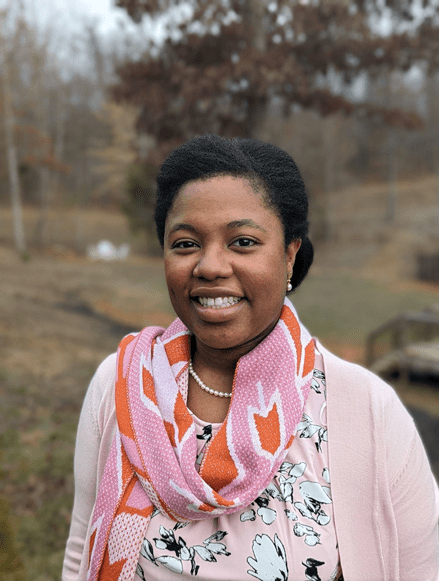
Shelby Ward is an Associate Counsel for the Tennessee Department of Environment & Conservation’s Office of General Counsel. She supports the Division of Solid Waste Management, Division of Underground Storage Tanks, Office of Sustainable Practices, and Office of Policy & Planning. Shelby also serves as the Board Attorney for the Tennessee Board of Water Quality, Oil, and Gas. She is based out of the Knoxville Field Office. Prior to joining TDEC OGC, Shelby worked as Staff Attorney and Director of Sustainable Tennessee for the Tennessee Environmental Council, Staff Attorney of the Tennessee Clean Water Network, and Aquatic Ecologist at CG Services in Oak Ridge. Shelby is a co-founder of the Appalachian Public Interest Environmental Law Conference and teaches Environmental Justice at the University of Tennessee College of Law as an Adjunct Professor. She double majored in Biology and History at Howard University and earned a JD and MS (Ecology & Evolutionary Biology) from the University of Tennessee. Shelby is married with two children and enjoys modern quilting, gardening for wildlife, and Star Trek.
Mining and TDEC’s New Division of Mineral and Geological Resources
1:40pm – 2:40pm
This session outlines TDEC’s new Division of Mineral and Geologic Resources (DMGR). It will provide an overview of the four main areas covered by this Division, which include oil & gas, mining, geology, and abandoned mining lands. In discussing these four areas, this session will describe the public safety concerns and challenges in regulating the environmental hazards stemming from mining and the oil & gas industries. It will also discuss the permitting process and TDEC’s role in that process and will address issues surrounding NPDES, Stormwater, ARAP, Mineral Test Hole, and Surface Mining permits. It will thirdly address Office of Surface Mining Reclamation & Enforcement programs related to coal mining in Tennessee and will lastly address the delicate balancing required for work in this field between environmental stewardship and governmental and industry needs.
Speaker – James Marr

James holds degrees from the University of Tennessee (B.S. Agriculture) and the University of Georgia (J.D.). Prior to law school, James worked in the limestone mining industry as an environmental compliance manager. After obtaining his law degree, James worked in a private firm, primarily representing Social Security applicants and disabled veterans. James started working for TDEC in September 2021 where is Assistant General Counsel. He is a current member of the Tennessee Air National Guard and resides in Chattanooga with his wife and three daughters.
NEPA Shortcuts: Shortchanging Our Public Lands
2:50pm – 3:50pm
We would like to present and discuss the public lands management approach called “Condition-Based Management” in the context of the National Environmental Policy Act. Condition-Based Management, or “CBM” is a practice where a federal agency does not include site-specific information during the decision-making process dictated by NEPA, instead postponing site-specific analysis until project implementation. It is described by the Forest Service as “support[ing] responsiveness and flexibility between planning and implementation in natural resource management.” In practice, however, it deprives the public of site-specific project information and violates NEPA. This session would have the advantage of providing a primer on NEPA relevant to the current national conversation about “permitting reform” and efficiency in federal agency planning. It is also an emerging topic in environmental law due to the increasing trend of using CBM in the Forest Service and other resource management agencies.
Speakers
Henry Gargan

Henry works with agencies responsible for stewarding the Southeast’s public lands as part of Southern Environmental Law Center’s National Forests and Parks program. He makes sure the agencies’ planning and project-level processes protect these precious environmental and cultural resources. He advocates for state and federal policy that protect wildlife species found only in the Southeast. Henry also assists with litigation protecting the integrity of critical environmental laws and advocates for Clean Water Act permitting processes vital to the protection of water quality in North Carolina and the Southern Appalachians. He helps develop and advocate for land management policies that protect the important carbon sequestration services of Southeastern forests. “Every part of our relationship with the landscape, at all scales and in all places, deserves our care and respect,” says Henry. Henry’s interest in environmental work grew from his time in local journalism, where as a reporter for the Raleigh-based News & Observer he discovered his favorite stories seemed to address how communities were mediating the relationship between their respective landscapes and what their residents needed—housing, transportation, and so on. His experience with those processes and choices drew him into environmental law, and he was especially attracted to SELC’s community-based engagement with similar issues. As a North Carolina native, he is especially proud of SELC’s long-term commitment to advocacy for communities affected by irresponsible industrial hog operations in the rural eastern part of the state.
Alyson Merlin

Alyson answers legal research questions, drafts comments on agency actions, and assists in drafting legal briefs. She also communicates and collaborates with SELC partner organizations. In particular, she is excited about SELC’s work helping to protect the communities and unique biodiversity of western North Carolina, including the salamander populations, noting that the Southern Appalachian mountains are sometimes called the Salamander Capital of the World. While she grew up outside of Atlanta, Asheville is very familiar territory from a lifetime of childhood trips to the nearby Pisgah National Forest. As an undergraduate ecology major at the University of Georgia, Alyson engaged in climate research as well as field ecology studies in Monteverde, Costa Rica.
Safe Passage: The I-40 Pigeon River Gorge Wildlife Crossing Project
2:50pm – 3:50pm
This presentation will discuss the collaborative effort to improve wildlife’s ability to safely cross interstate 40 just outside the boundary of Great Smoky Mountains National Park. In addition to discussing the structure of the collaborative and our research and recommendations for mitigation, the presentation will touch on a liability case from Arizona (Booth v. State of Arizona) where a motorist struck a dead elk on interstate 40 near Flagstaff, AZ, and suffered significant injuries.
Speaker – Jeff Hunter
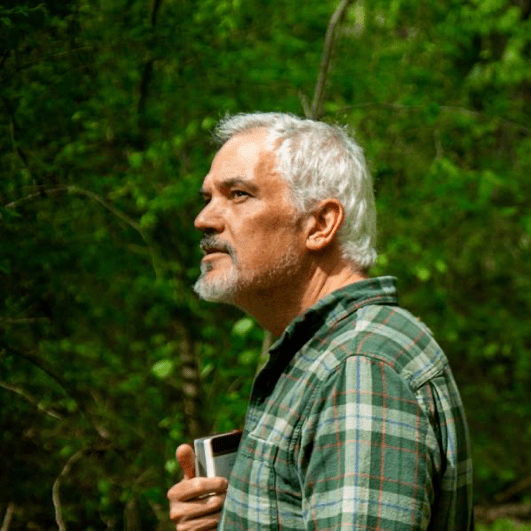
Jeff Hunter is the Southern Appalachian Director with National Parks Conservation Association (NPCA) in Asheville, NC where he works on issues related to Great Smoky Mountains National Park, the Blue Ridge Parkway, and the Appalachian National Scenic Trail.
Southern Organizing, Climate Change, and the Legal Industry
4:00pm – 5:00pm
At this session, Haley Czarnek, the National Director for Law Students for Climate Accountability (LSCA), and Dr. Gabe Schwartzman will analyze the current state of climate organizing in the legal industry, with a focus on the 2023 Law Firm Climate Change Scorecard. Panelists will also discuss the organizing conditions in Appalachia and the broader south, including the ongoing surge in labor movement energy. As climate change increasingly impacts our living and working conditions, legal professionals should reject work that contributes to climate chaos, such as the Mountain Valley Pipeline project.
Speakers
Haley Czarnek

Haley Czarnek (she/they) served on LSCA’s first National Leadership Committee as a 3L at the University of Alabama, and graduated in May 2022. Haley has since begun developing their role as LSCA’s first National Director, and is excited to support the committee and student organizers as they build a movement to change the culture of the legal profession. Haley is also passionate about building working class power, and spends as much time as possible with southern labor organizers. Outside of LSCA, Haley enjoys gardening, hanging out with their dog, Tig, talking about comedy, and crafting.
Dr. Gabe Schwartzman

I am a human geographer and I study economic development and environmental politics. My research focuses on rural economic transitions and the social implications of decarbonization. In my current research projects, I study the decline of the coal industry in Central Appalachia and the politics surrounding economic transition in the Appalachian region.
I have two active research projects: one studying the human dimensions of emerging forest carbon offset regimes in Central Appalachia; and a second project tracing the financial geographies of coal mine bankruptcies, bond forfeiture, and the looming crisis of funding the environmental reclamation of strip mines.
I have also studied the politics of development, climate change, and economic transition on the US Gulf Coast and in the Brazilian Amazon. My scholarship contributes to the fields of political ecology, development studies, and studies of race and gender. I consider how the social outcomes of rural economic transitions in an era of climate politics speak to debates within these fields of study.
I am interested in working with students broadly interested in rural politics, economic development, and climate politics, and decarbonization.
 Tennessee Environmental Law